
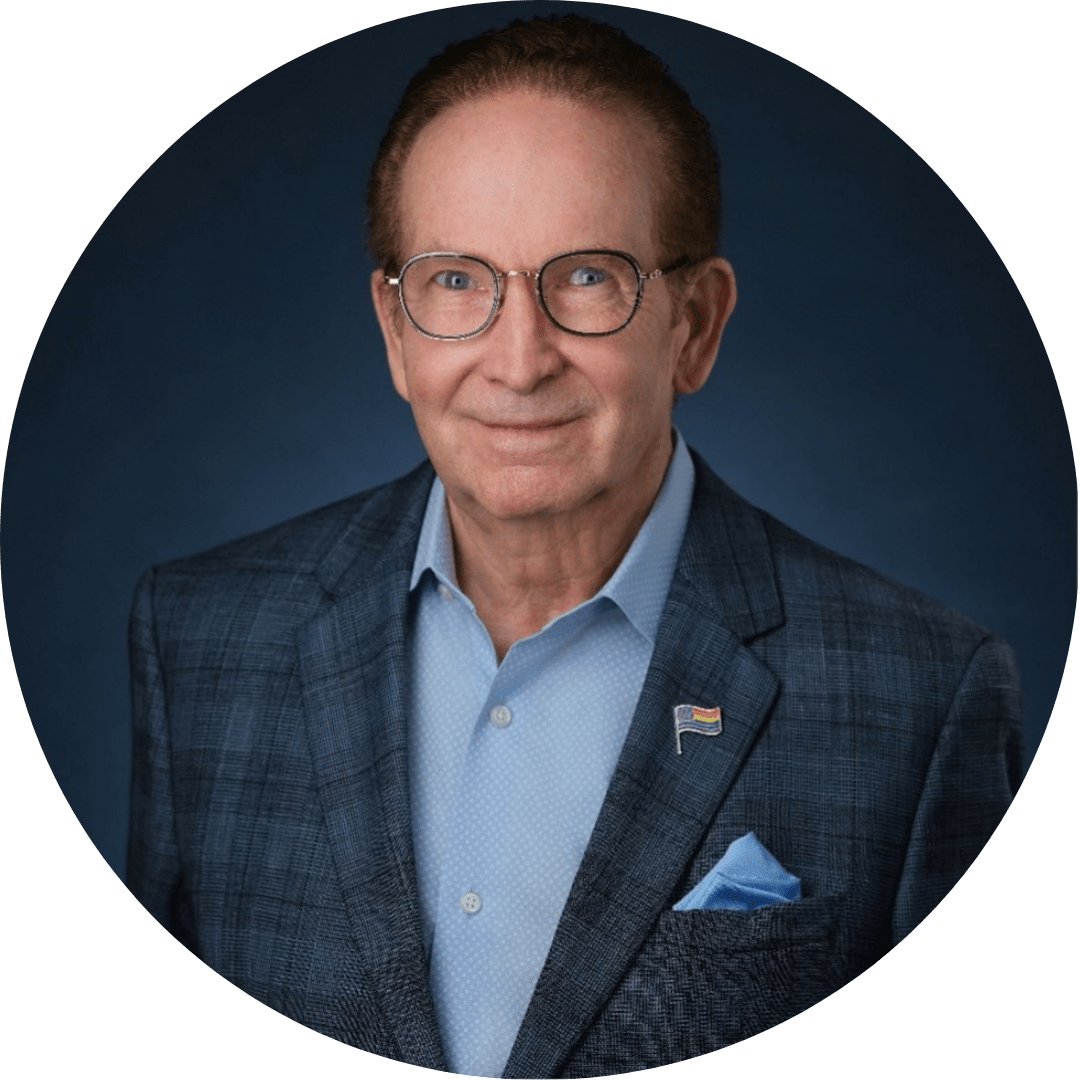
CHAMBER MEMBER SPOTLIGHT - 52 Years of Medicine: Still Curious, Still Caring, Still Looking Ahead
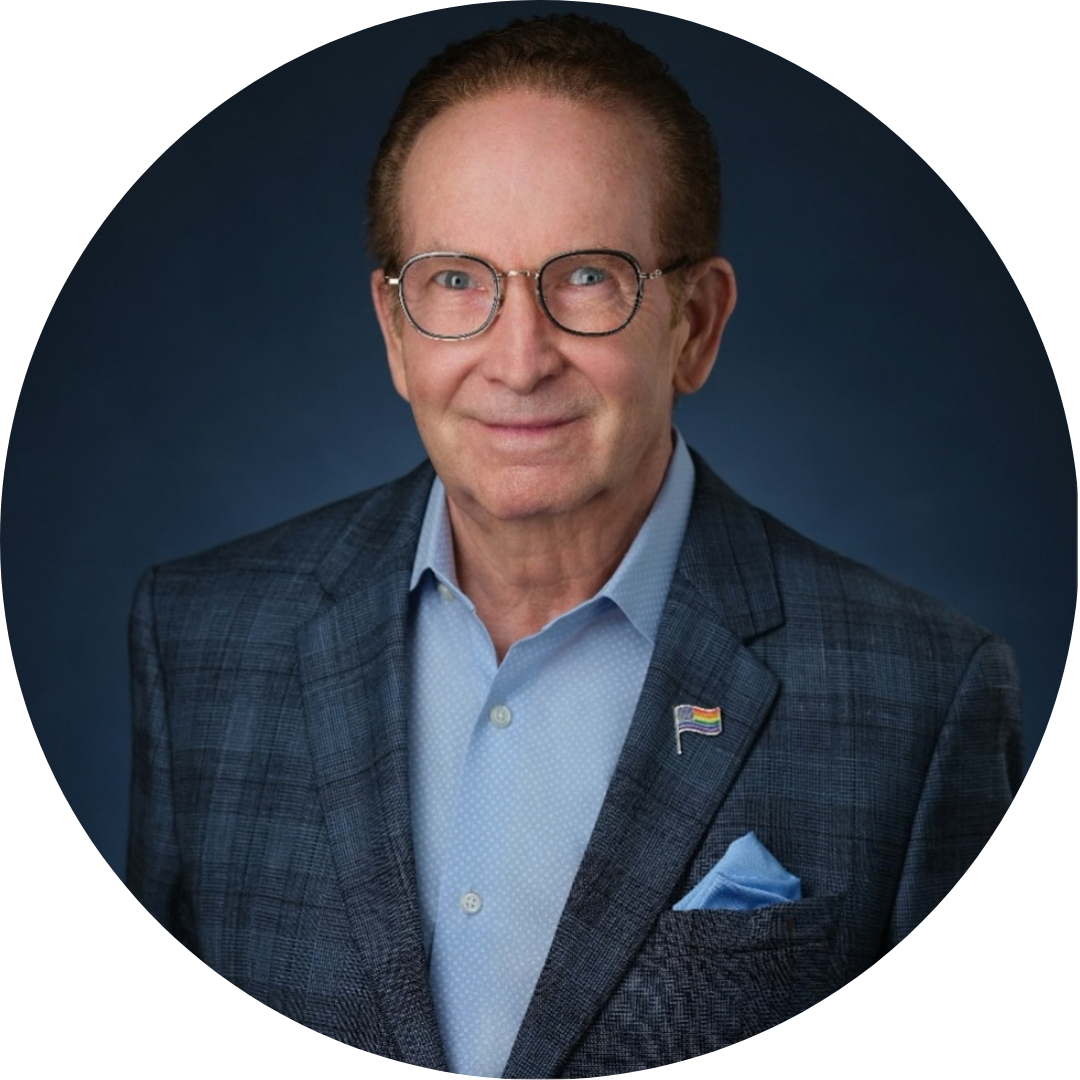
Featuring Gordon E. Crofoot Jr., M.D. | Internal Medicine & Research Investigator | Gordon Crofoot M.D., P.A. & The Crofoot Research Center
For more than five decades, Dr. Gordon Crofoot has cared for patients, advanced infectious disease research and remained deeply connected to Houston's LGBTQ+ community. His career spans the earliest years of the HIV/AIDS crisis through today's breakthroughs in long-acting prevention, mRNA technology and the pursuit of a functional cure.
As Crofoot MD marks 52 years in medicine and research, the Chamber invited Dr. Crofoot to reflect on the patients who shaped his work, the scientific advances he has helped move forward, the importance of inclusive care and community connection, and why—after more than half a century—he is still looking ahead.
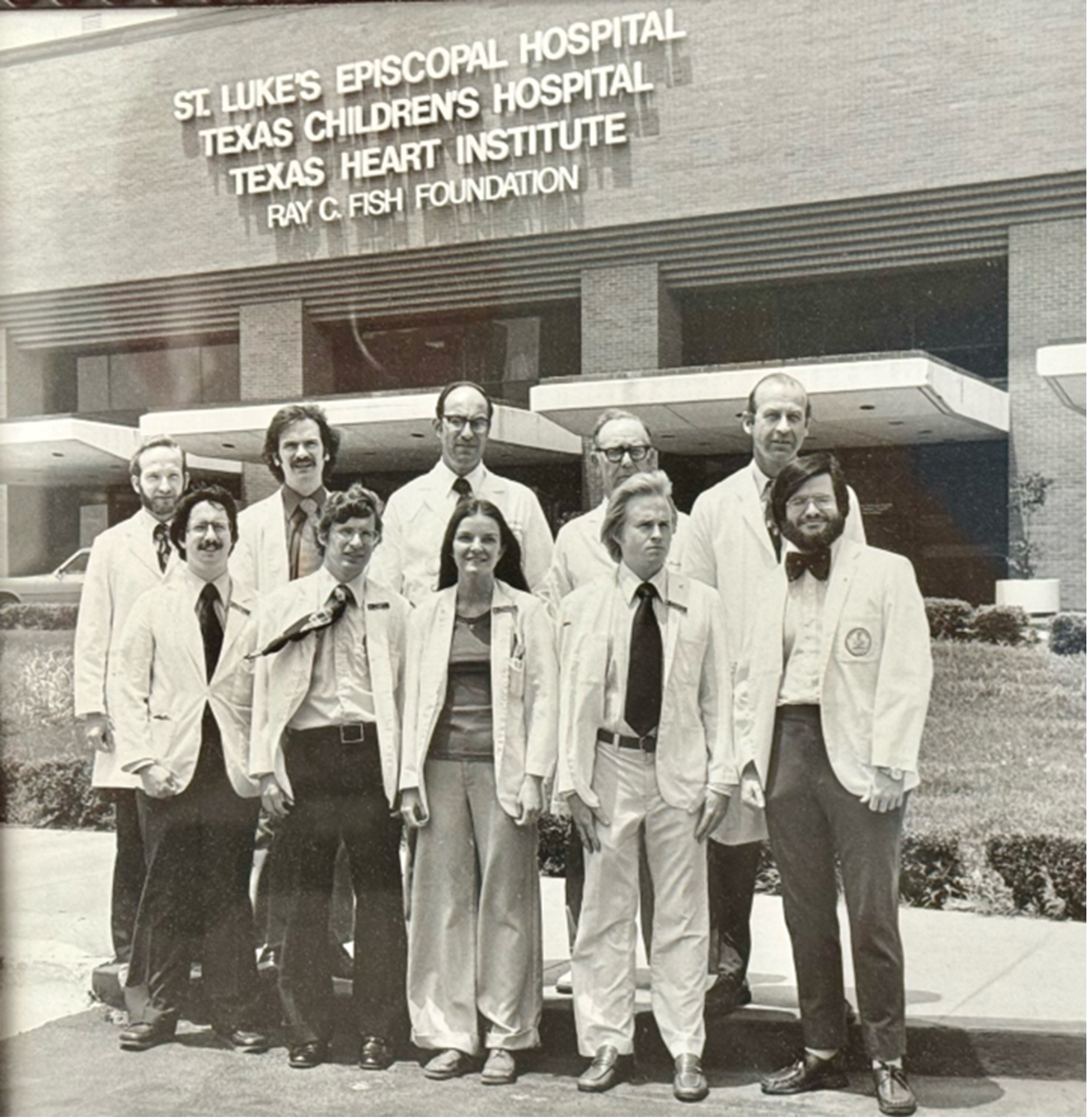 Chief Medical Resident with my mentor, Dr Robert Hall, who was President Eisenhower’s physician, top center. | A Career Defined by Curiosity and Care When I received my medical license on July 1, 1974, I certainly did not imagine that 52 years later I would still be practicing medicine, caring for patients, conducting clinical research—and perhaps more excited about what is coming next than I was when I started. I have had the extraordinary privilege of practicing medicine during one of the most remarkable periods in medical history. I watched a mysterious and terrifying disease appear in our community, watched far too many people die from it, and then watched science transform HIV from an almost certain death sentence into a manageable chronic condition. Today, I am working on research that may help take us even further—from treating HIV to preventing it with injections given only once or twice a year, and perhaps someday achieving a functional cure. That is quite a journey for a doctor who once worried that medicine might become boring. I even had thoughts of changing professions to something more exciting. |
Please introduce yourself and share what first inspired you to pursue a career in medicine.
I am Gordon Crofoot, an internal medicine and infectious disease physician in Houston. Before medicine, I studied biochemistry and chemistry, and I have always been fascinated by how things work and, perhaps more importantly, by why they stop working.
I grew up around my family's blueprint and architectural reproduction business in Chicago and actually loved architecture. But medicine combined science with something architecture could not give me—the opportunity to sit across from another human being who needed help and try to make a difference in that person's life.
I entered medical school at Northwestern University Feinberg School of Medicine and eventually came to Houston for my internal medicine residency at Baylor College of Medicine. I have been here ever since.
This year marks an extraordinary milestone—52 years in medicine and research. When you reflect on the full arc of your career, what stands out most?
The patients.
The scientific accomplishments have been extraordinary, but when I look back, I don't primarily remember laboratory numbers or publications. I remember faces.
I remember patients for whom we had almost nothing to offer. I remember sitting at bedsides when the best medicine I could provide was simply not to leave someone alone. I remember telling patients about the first treatments that gave us a little hope, and decades later telling newly diagnosed patients, “The good news is you are not going to die of HIV. The bad news is you are going to live long enough to die of something else—so now we need to prevent those other things.”
That change is almost impossible to describe to someone who did not live through it.
You entered medicine before the HIV/AIDS epidemic profoundly changed the LGBTQ+ community and the medical profession. What do you remember about those early years, and how did they shape the direction of your work? In the beginning, we didn't even know what we were looking at. My first patient whom I now recognize as having acute HIV infection I hospitalized in 1979. By 1981, I was seeing young men with diseases that healthy young men simply weren't supposed to have. We didn't have an HIV test. We didn't have effective treatment. Early on, even sophisticated immune testing was not readily available to us. And people were dying. Houston was also different from some other major cities. Much of the early HIV care here was being provided by small private practices and community organizations. There was enormous fear of HIV—even within medicine schools. Those years changed the direction of my life because once these patients walked through my door, I couldn't pretend they weren't there. My patients were teaching me about a disease that medicine itself was still trying to understand. | 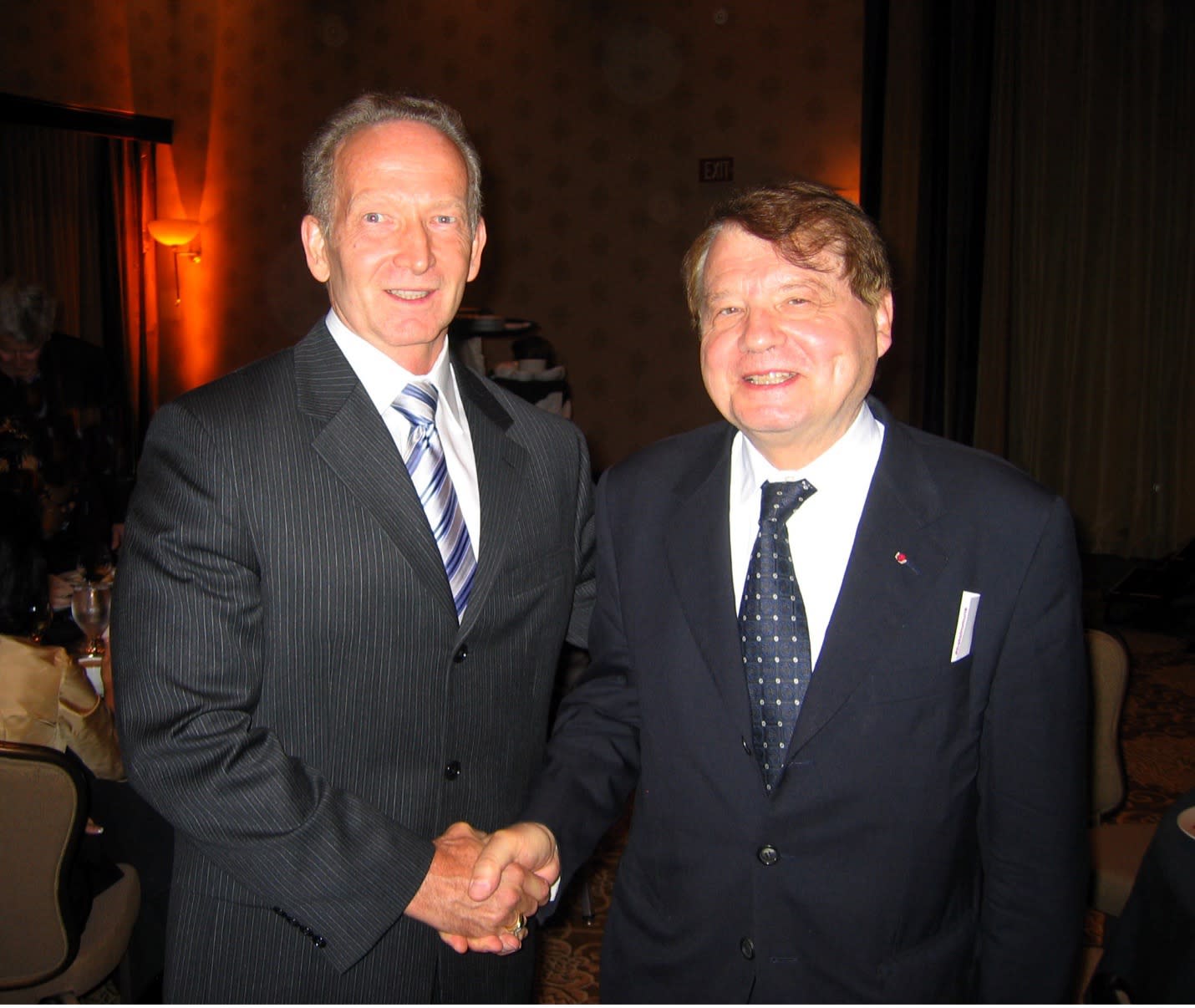 With Dr. Luc Montagnier, the man who discovered HIV and was awarded The Nobel Prize in Physiology and Medicine, 2008 |
At a time when fear, stigma, and uncertainty surrounded HIV/AIDS, what compelled you to remain deeply engaged in caring for patients and searching for better treatments?
I don't remember ever making a conscious decision that HIV would become my life's work. It simply happened to one patient at a time.
Someone was sick. We needed to figure out why. Someone was dying. We needed to find something that might keep him alive a little longer. When one treatment failed, we tried another.
There was tremendous stigma, but the virus did not care whether someone was gay or straight, rich or poor, frightened or brave. My job was to care for the person sitting in front of me.
Once you accept that responsibility, walking away isn't really an option.
Over the course of your career, you have witnessed remarkable advances in HIV prevention, treatment, and care. Which developments have felt most significant to you—both as a physician and as a researcher?
There have been several moments when HIV medicine fundamentally changed.
The first was simply identifying HIV and developing a test for it. Then came the first antiretroviral drugs. The arrival of effective combination therapy in the mid-1990s changed everything—we began watching people who had been preparing to die get better and return to their lives.
Then treatment became simpler: handfuls of pills became a few pills, then one pill a day, and eventually long-acting injections.
Prevention has undergone an equally remarkable transformation. We went from condoms and behavioral prevention to PrEP, and now to long-acting PrEP. Our research center participated in the development of lenacapavir, including the PURPOSE 2 prevention study, and I had the privilege of giving the first human injection of lenacapavir years earlier during its treatment development. In July 2025, our center administered the first once-yearly intramuscular PrEP injection in that research program.
I sometimes think back to those hospital rooms in 1981 and wonder what those young men would think if I could tell them where we are today.
Is there a particular patient, experience, or moment that changed how you understood your role as a physician?
There have been hundreds.
One patient was a nationally known architect who was very ill and had decided he wanted no more hospitalizations. Then he called me. He had been nominated for a major architecture award in Boston.
“Keep me alive for two months,” he told me. “I might win.”
So that became our medical goal.
His friends helped. We did what was necessary to maintain his nutrition and strength. They arranged the trip and accompanied him in a wheelchair.
He won.
And when they called his name, he pushed away the people helping him, stood up, walked onto that stage and accepted his award.
With help he returned home, and he died an hour later holding his award.
Medicine didn't cure him. But medicine helped him get to something that mattered enormously to him.
That patient—and many others—taught me that being a physician isn't always about curing disease. Sometimes it is about understanding what your patient needs to live for and helping that person get there.
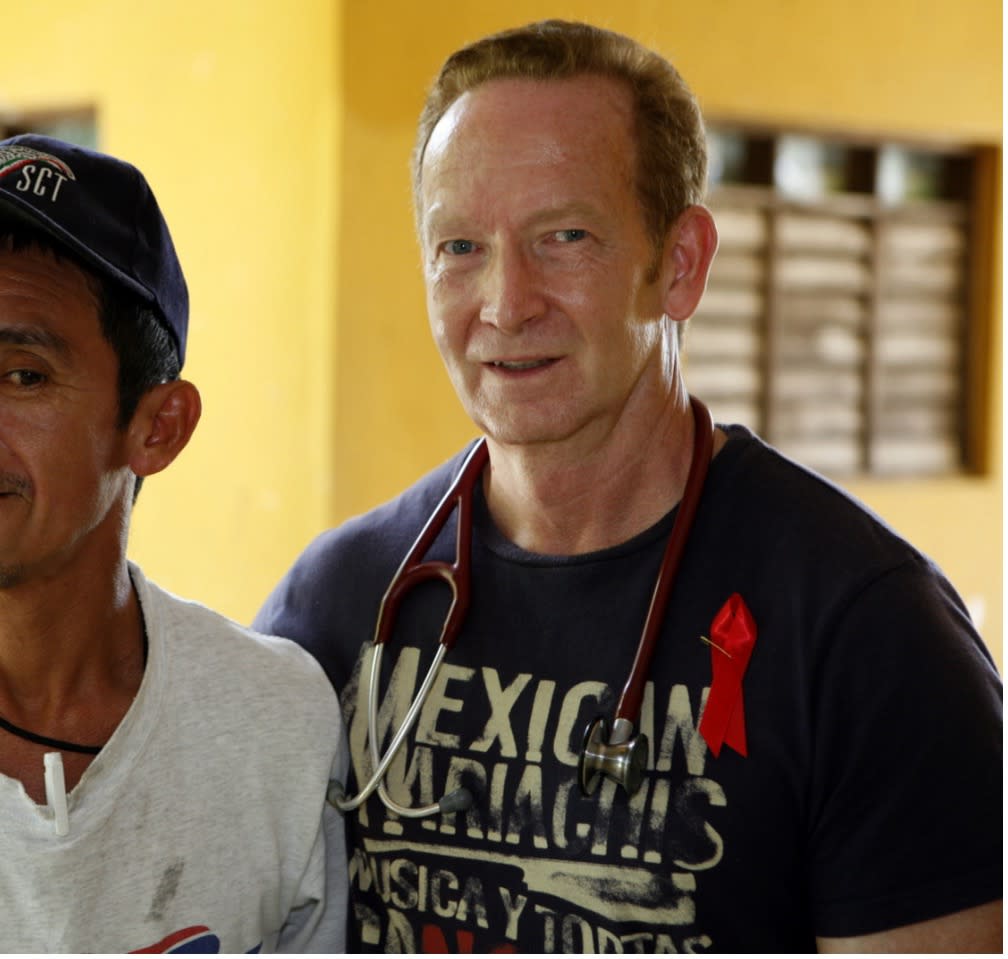 Talking medicine with people in AIDS shelters in Mexico | What led you to establish the Crofoot Research Center, and how has clinical research expanded what you and your team can offer patients? Research grew naturally out of caring for people with HIV. For many years, the treatments our patients desperately needed did not yet exist in ordinary clinical practice. Clinical research gave our patients access to tomorrow's medicine today. Over the years, the Crofoot Research Center has participated in more than 200 clinical trials and contributed to more than 150 publications and scientific presentations. We have studied HIV treatment and prevention, hepatitis, HPV, RSV, COVID-19, vaccines, broadly neutralizing antibodies and long-acting therapies. Research also changes the way you practice medicine. It keeps you questioning assumptions. It forces you to ask, “Can we do better?” After 52 years, I am still asking that question. |
Your research has included HIV, hepatitis, RSV, HPV, COVID-19, and other areas of infectious disease. What contribution or area of research makes you especially proud?
I am proudest when our small Houston research center has helped move an idea from “maybe someday” to something that can improve people's lives.
We administered the first human dose of Biktarvy in its early development. We administered the first human injection of lenacapavir. We have worked with broadly neutralizing antibodies, including the first human infusion of N6/N6-LS, and have participated in research involving some of the most innovative long-acting approaches to HIV treatment and prevention.
And now we are involved in mRNA HIV vaccine research. We just gave the first injection in the world on the first research study using mRNA HIV which could lead to a vaccine or functional cure of HIV.
For someone who began treating HIV when we did not even know what caused AIDS, participating in research that asks whether we can train the immune system to prevent or potentially help control HIV is extraordinary.
But research is never one doctor's accomplishment. Every advance belongs to scientists, research teams and, most importantly, the volunteers who said, “Yes, I will participate.”
Why is it important that LGBTQ+ people and historically underrepresented communities are included in clinical research? Because medicine has to work for the people who will actually use it. Historically, communities most affected by HIV were sometimes excluded from research, mistrustful of research, or approached only after decisions had already been made. That is not good science, and it is not good medicine. People from LGBTQ+ communities and communities of color need more than representation in the final enrollment numbers. They deserve a voice in how studies are designed, how people are approached, what barriers are recognized and how research results ultimately reach the community. Research should be done with communities, not simply on communities. | 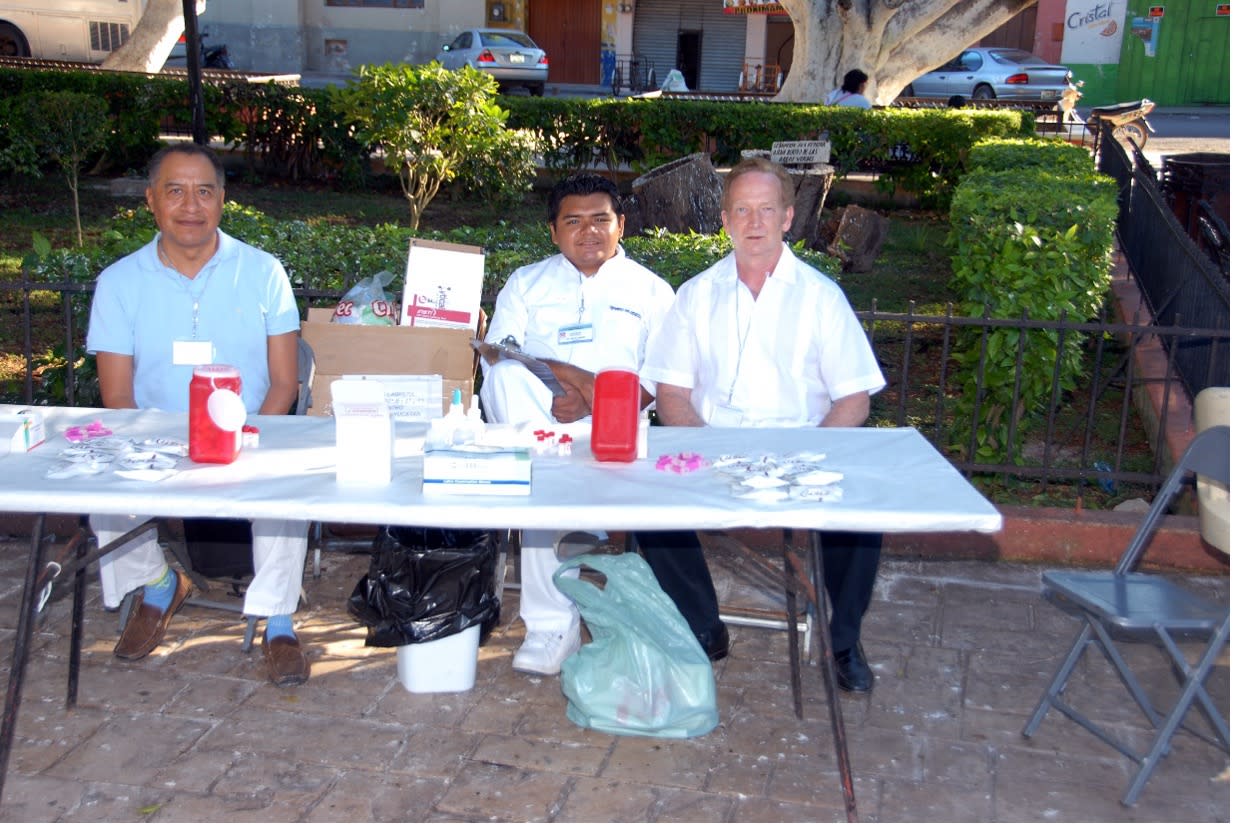 In a Hunucma, Yucatan conducting the first ever HIV testing program in a Mayan village |
Crofoot MD is known for providing care that respects each patient's privacy, dignity, and identity. What does truly inclusive healthcare look like in practice?
It means the patient should never have to wonder whether it is safe to tell the doctor the truth.
That sounds simple, but it isn't.
Inclusive healthcare means listening before judging. It means understanding someone's relationships, sexuality, gender identity, family, finances and fears because those things can affect health—but never making the person feel that those things define their worth.
I have never believed that a white coat makes someone a better doctor. I do not wear a white coat in my clinic. I would rather sit on a stool, look someone in the eye and have a conversation.
People tell you remarkable things when they know you are actually listening.
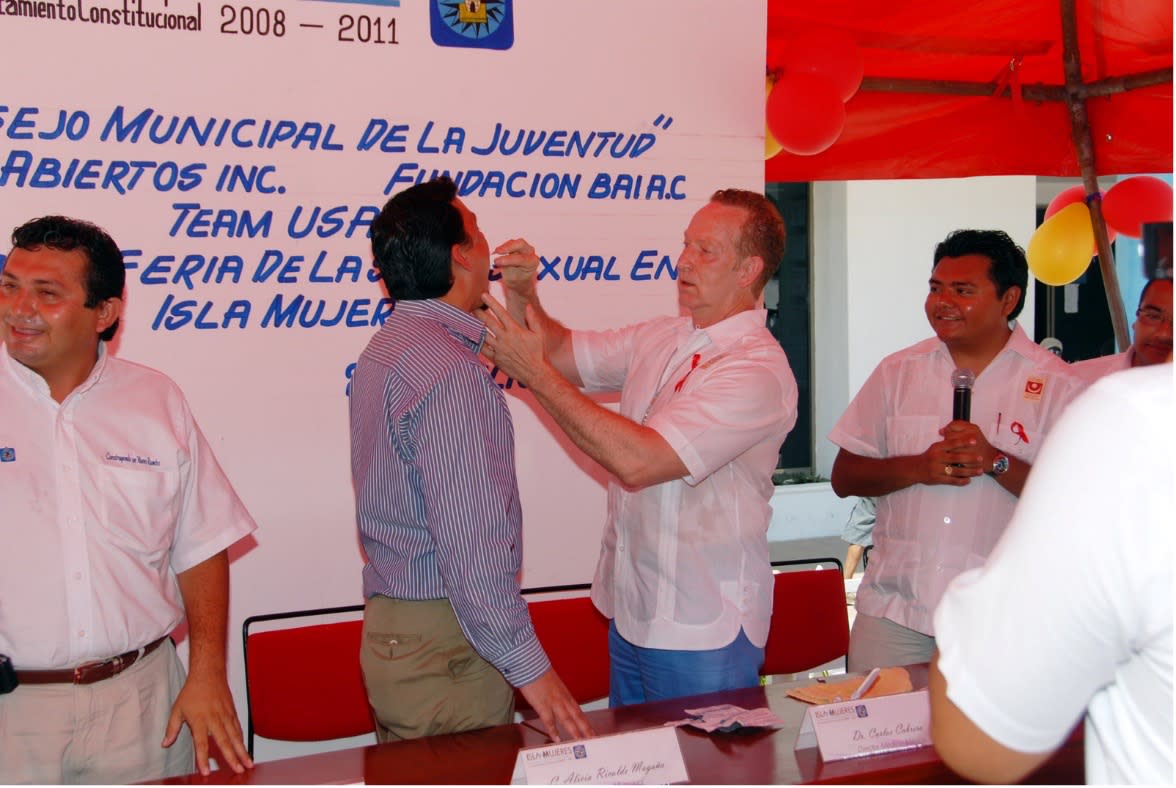 I was performing an HIV test on the Secretary of Health, Quintana Roo, Yucatan, which was televised and in all Yucatan newspapers | How have the healthcare needs and expectations of LGBTQ+ patients changed during your career—and where does the medical community still have work to do? When I began practicing, many LGBTQ+ people expected discrimination from healthcare. Unfortunately, they often had good reasons. Today, younger patients expect something very different. They expect to be respected. They expect physicians to understand PrEP, HIV prevention, sexual health, gender-affirming care and LGBTQ+ relationships without requiring the patient to educate the doctor first. That is progress. But access remains a tremendous problem. We can develop the best HIV prevention medicine in history, but if the people who need it cannot afford it, don't know about it, cannot find a provider, fear judgment, or cannot navigate the healthcare system, then scientifically we have succeeded and medically we have failed. That is one of the reasons our work is increasingly focused on bringing care outside the traditional medical office and into the community. |
A career spanning 52 years requires a willingness to continue learning and evolving. What has kept you curious, energized, and committed to this work?
Medicine keeps changing—and I hate being bored.
In the early 1980s the question was, “What is destroying the immune system and killing these patients?”
Today I am asking completely different questions. Why does HIV persist in reservoirs even when the viral load is undetectable? What are those infected cells still signaling to the immune system? What role do CD8 cells, macrophages and chronic inflammation play? How do decades of controlled HIV affect cardiovascular disease, cancer and aging? Can broadly neutralizing antibodies or mRNA technology help us achieve a functional cure?
The questions became more sophisticated because science gave us the luxury of asking them.
Curiosity has kept me in medicine. Every time we answer one question, I seem to find three more.
No lasting legacy is built by one person alone. What would you like readers to know about the Crofoot MD and Crofoot Research Center staff and the role they have played in your work and impact? Anything associated with my name was built by a team. Some of our employees have been with us for many years. They have cared for frightened patients, celebrated good news, coordinated complicated clinical trials, fought insurance companies, found medications for people who couldn't afford them, returned phone calls, held hands and solved a thousand problems that never appear in a medical chart. A physician may be the person whose name appears on the door, but healthcare is delivered by people. I am enormously proud of ours. |  Cutting the ribbon for the first Walgreens located within a private clinic in Texas, at CrofootMD |
Crofoot MD is a member of the Greater Houston LGBTQ+ Chamber of Commerce, and members of your staff are actively engaged in Chamber programs and events. Why is that connection important to your practice and team?
Because LGBTQ+ health does not exist separately from the LGBTQ+ community.
Health is connected to employment, housing, family, education, business opportunity, social connection and whether people feel that they belong.
The Greater Houston LGBTQ+ Chamber of Commerce brings together people who are building that broader community. Being part of it allows our team to meet people outside the examination room and reminds us that healthcare organizations should not simply serve a community—they should participate in it.
What has Crofoot MD valued most about being part of the Chamber community?
The relationships.
Houston is enormous, and it is surprisingly easy for organizations working toward similar goals to operate in separate worlds. The Chamber brings those worlds together.
A breakfast conversation can become a friendship, a collaboration, a new community connection, a new adventure and out of these conversation times, new questions appear that might change the way healthcare develops for all.
That is community.
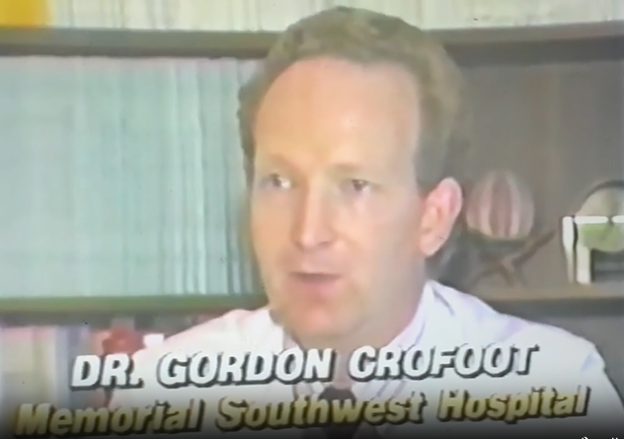 I was interviewed by Ted Koppel in 1987 when Ted hosted a historic 3 hour National Town Hall on AIDS, the first major U.S. news broadcast to tackle the AIDS crisis head-on | How does your team's Chamber engagement complement your broader commitment to LGBTQ+ health, visibility, and community connection? For decades, much of LGBTQ+ medicine was conducted behind closed doors because patients were afraid of being seen. Visibility matters now. When our staff participates in Chamber events, we are not there simply as a medical practice looking for business. We are saying, “We are part of this community.” That trust makes it easier for someone to walk through our door when they eventually need us. |
As you celebrate this milestone, what do you hope the next generation of physicians, researchers, and healthcare leaders will carry forward?
Never become so impressed with the technology that you forget the person.
Medicine will become increasingly sophisticated. Artificial intelligence, genetics, mRNA technology, long-acting drugs and therapies we haven't imagined yet will change what physicians can do.
Use all of it.
But then pull up a chair.
Listen to your patient.
My patients have taught me more about being a physician than any textbook ever did.
When people look back on your career, what do you hope they will remember—not only about what you accomplished, but about how you cared for people? I hope they remember that I showed up. In the early years of AIDS, sometimes showing up was almost all we had to offer. I hope my patients felt that they could tell me the truth and that I would still be sitting there afterward. I hope they knew that when things became difficult, we would figure out the next step together. The scientific accomplishments are wonderful. I am proud of the research, the publications and the first-in-human studies. But if someday someone says, “He was there when I needed him,” that would be a pretty good legacy. |  March 2022, I was asked along with Mayor Sylvester Turner to cut the ribbon and start the AIDS Foundation’s Walk to End HIV. Team CrofootMD led the walk with over 2000 participants following |
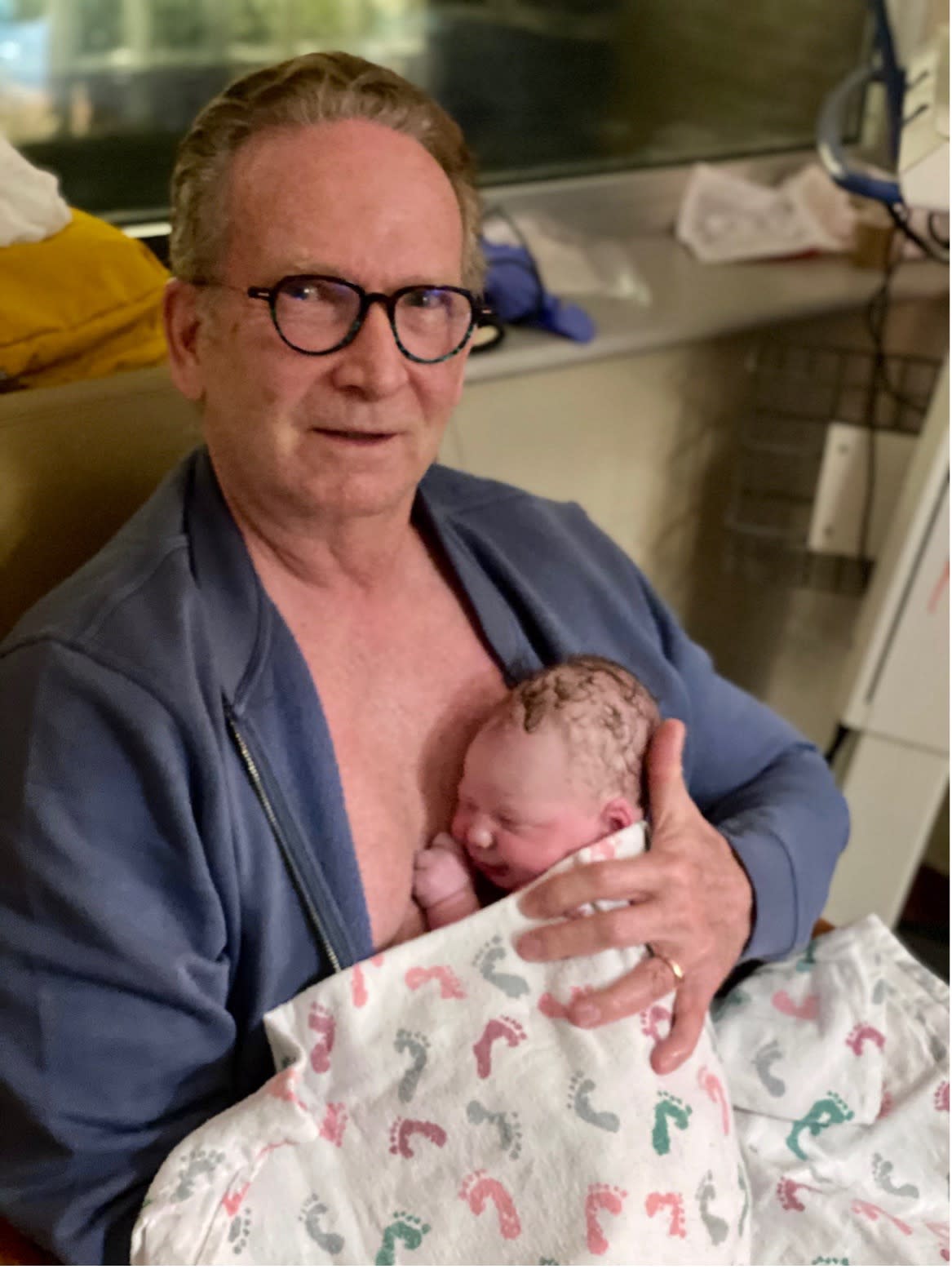 I delivered both my sons and was first skin to skin contact | After 52 years, what is still ahead for you, Crofoot MD, and the Crofoot Research Center? Quite a lot. For me, it is watching my two sons, aged 6 & almost 5 grow up. I love giving the first dose of a new research drug or vaccine to a human in the world, but I equally love attending school activities or chaperoning a kindergarten field trip with my boys. We are continuing research into long-acting HIV treatment and prevention, broadly neutralizing antibodies, mRNA technology and approaches that may eventually contribute to a functional cure. We are also looking beyond simply keeping people alive. People with HIV are now living into their 70s, 80s and beyond. The next challenge is helping them remain healthy while they age—preventing cardiovascular disease, metabolic disease, cancer and other conditions that become increasingly important after decades of successful HIV treatment. And through our nonprofit, Opt2Care, we are working on another problem that increasingly concerns me: How do we get the extraordinary prevention tools science has created to the people who aren't walking into traditional medical offices? The next breakthrough in HIV may not only be a new drug. It may be a new door into healthcare. |
| Is there anything else you would like to share with the Chamber community as you mark this extraordinary milestone? Mostly, thank you. Houston gave a young doctor from Chicago a place to build a practice and a life. The LGBTQ+ community trusted me during years when trust in medicine was sometimes difficult. Patients allowed me into the most private and frightening moments of their lives. Research volunteers were willing to try something new because they believed it might help the person who came after them. And my colleagues and staff turned ideas scribbled on pieces of paper into programs that actually helped people. When I started practicing medicine in 1974, HIV had not even been identified. I could never have imagined that I would someday participate in giving the first human doses of drugs that would become important HIV therapies, help study injections that could prevent HIV for six months or potentially a year, or participate in research exploring whether mRNA technology might someday help us control HIV without continuous treatment. If you had told me 50 years ago that we would be having this conversation, I wouldn't have believed you. That's why I remain so optimistic about where we're headed. After 52 years, I am still curious. I am still seeing patients. I am still doing research. And I am definitely not finished yet. |
|
Crofoot MD Clinic
(713) 526-0005
Location
3701 Kirby Drive
Suite 1230
Houston, TX 77098
About Dr. Crofoot
Gordon E Crofoot Jr M.D.
Internal Medicine & Research Investigator
Gordon Crofoot M.D., P.A. & The Crofoot Research Center
Houston, Texas
Gordon Crofoot MD is a medical doctor who specializes in the treatment of infectious diseases, including HIV/AIDS. He is based in Houston, Texas, and has been practicing medicine for over 52 years. Dr. Crofoot completed his secondary education at Glenbrook South High School in Glenview, Illinois and he graduated from Michigan State University with a degree in Biochemistry. He earned his medical degree from the Northwestern University Feinberg School of Medicine in Chicago, Illinois and completed his residency in internal medicine at Baylor College of Medicine in Houston where he was chief medical resident.
Dr. Crofoot is happily married to Alexei and together they have two children: Ian, who is 6 years old, and Aiden, who is 4 1/2 years old. Dr. Crofoot is a permanent resident of Mexico and also resides in Merida, Yucatan. He has been actively involved in the community and in 2006 he co-founded a nonprofit organization called Brazos Abiertos (Fundación BAI AC) in Yucatan. Through this organization, he introduced health education initiatives for the youth in Mayan villages, conducted the first-ever HIV testing program in a Mayan village, and established HIV care for individuals diagnosed with the infection.
In 1998, Dr. Crofoot assumed the role of Medical Director at Montrose Clinic 501c3, now known as Legacy Community Health Services. He played a pivotal role in the development of the Ryan White, Title 1, HIV treatment program, which aimed to provide healthcare services for HIV-infected individuals lacking insurance coverage. Furthermore, he updated the 'Next Step' program, designed to educate patients who were newly diagnosed with HIV. In 2005, Dr. Crofoot, working with the Texas Freedom Foundation in Austin, Texas, testified in front of the Texas State Board of Education against 'abstinence-only policies' in the public school system. Dr. Crofoot presented information concerning the sexual activities of young adults and the necessity of implementing education that addresses the prevention of STDs, teen pregnancies, and HIV transmission." No changes to “abstinence only policies” were made.
Throughout his career, Dr. Crofoot has received recognition and accolades for his outstanding work. In 1988, he was voted as the 'Best Physician' for HIV care in Harris County by medical professionals. He has been honored with several humanitarian awards for his contributions to internal and HIV medicine, including the Houston Black Tie Dinner Humanitarian Service Award in 2006 and the AIDS Foundation Houston 2007 Shelby Hodge Vision Award. In 1997, he received the HGLPC Humanitarian Award, which acknowledged his lifelong dedication to demonstrating compassion and advocating for the dignity and equality of all individuals.
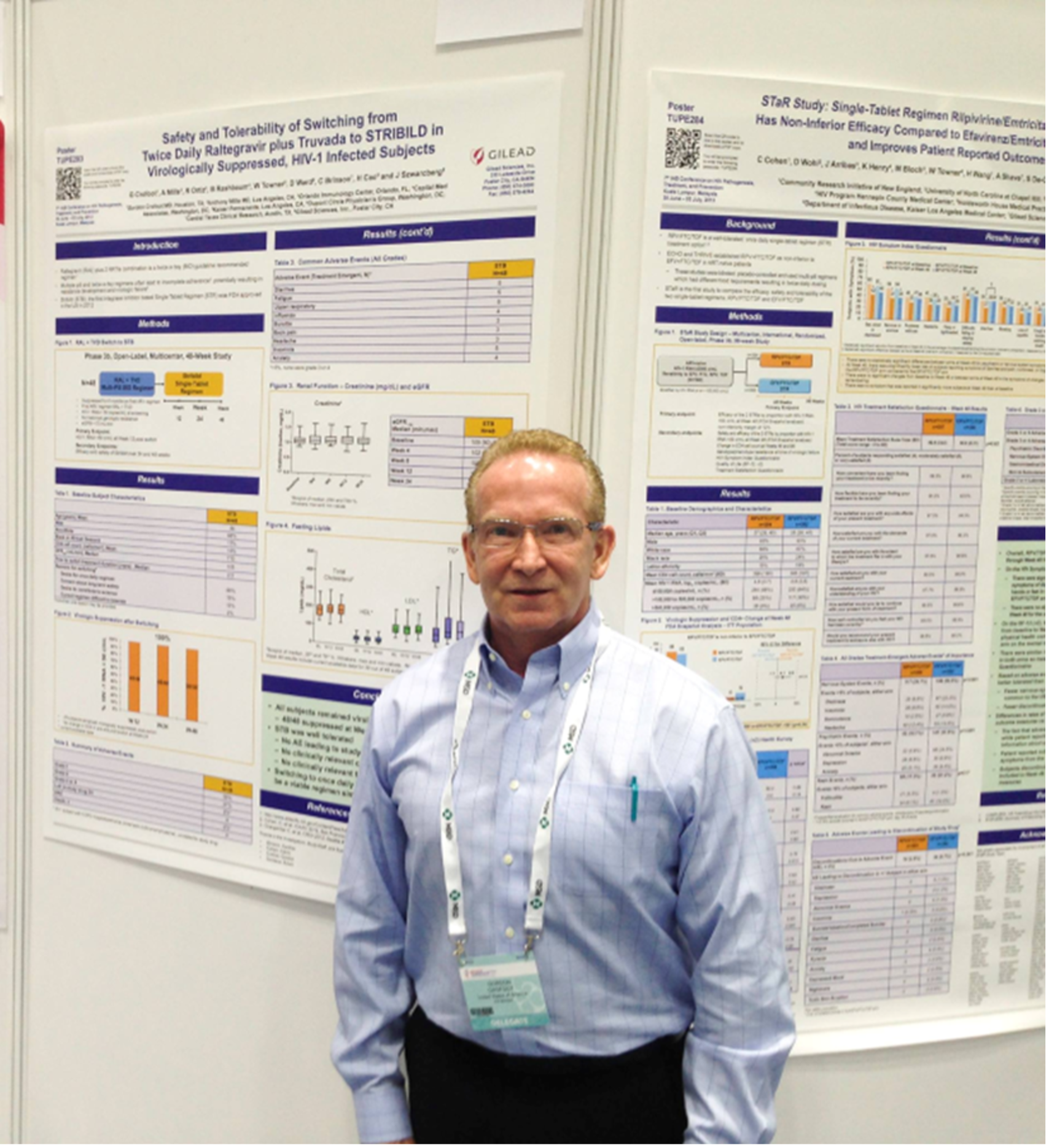
Dr Crofoot was interviewed by Ted Koppel in 1987 when Ted hosted a historic 3 hour National Town Hall on AIDS, the first major U.S. news broadcast to tackle the AIDS crisis head-on. Additionally, readers of OutSmart Magazine voted him as Houston's top doctor every year in 2009 to 2025. In addition to his clinical work, Dr. Crofoot has been involved in research related to HIV/AIDS and has published over 150 articles in medical journals. He has been principal Investigator for over 250. research protocols. Dr Crofoot gave the first dose of Biktarvy to a human and the first dose of Lenacapavir injection to a human. He gave the first injection in the world in the Johnson & Johnson HIV vaccine trial but after over 4000 people were placed in that trial, the vaccine was found not effective and was stopped. He is also actively involved in community outreach and education efforts related to HIV/AIDS and infectious diseases.
Overall, Dr. Gordon Crofoot is a respected and experienced Internal Medicine, Infectious Disease specialist and clinical researcher who is committed to providing compassionate and comprehensive care to his patients. In his personal life, Dr. Crofoot enjoys various interests and hobbies. He is enthusiastic about sports such as tennis, boxing, and wrestling. He has a passion for photography, snorkeling and indulges in his love for travel. Additionally, he has bred Doberman Pinschers and participated in competitions under the name Paradigm Dobermans.
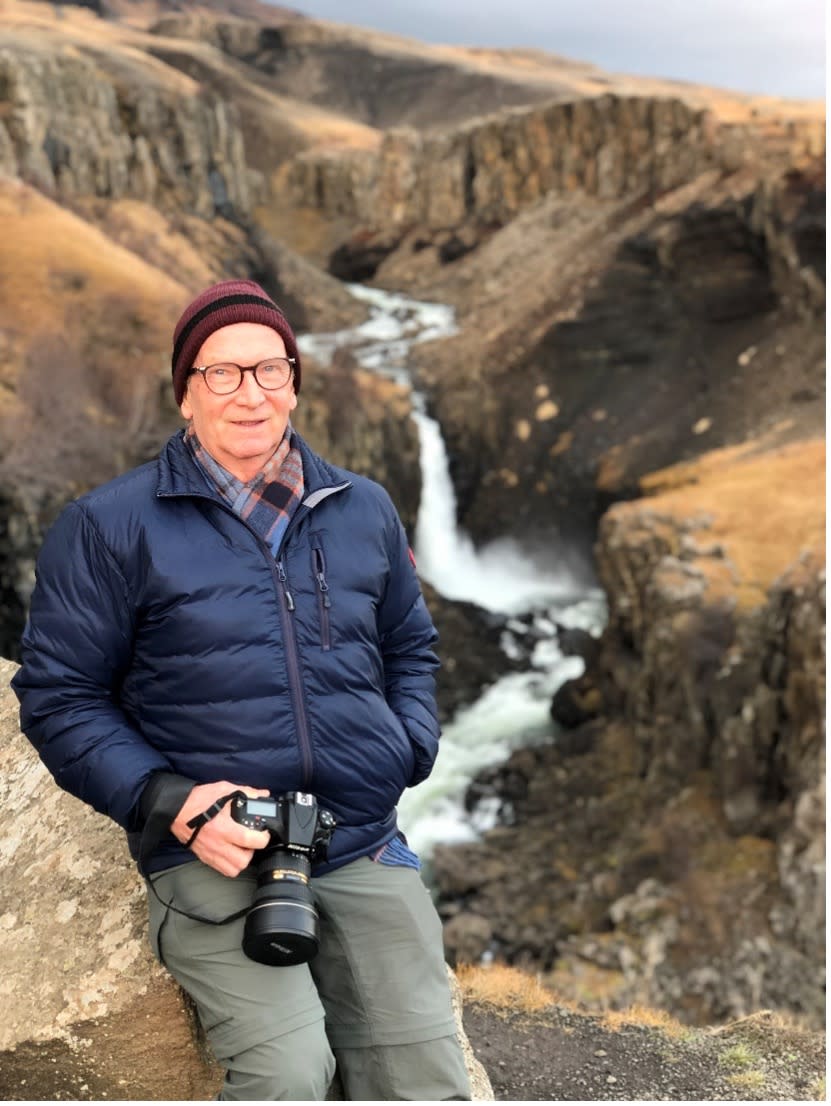 My favorite hobby is photography, taking pictures in Iceland |  Snorkeling on my 77th birthday in the Silfra Fissure, Iceland. The water temp is always 34 degrees |